From Constant Connection to Inner Peace: Real Strategies for Overcoming Technological Dependence

Technology has transformed the way people work, communicate, and manage daily life. While digital tools offer convenience and connection, constant exposure can also create emotional exhaustion and unhealthy dependency. Many individuals find themselves checking phones without thinking, scrolling late into the night, or feeling anxious when disconnected from devices. Over time, this pattern can evolve into technological dependence, affecting mental health, relationships, and overall quality of life. Finding inner peace in a world filled with constant digital stimulation is possible, and recovery begins with intentional change and compassionate support.

Understanding Technological Dependence

Technological dependence occurs when screen use becomes compulsive and difficult to manage. It goes beyond simply spending too much time online. Instead, it reflects a growing reliance on technology to cope with emotions, avoid stress, or fill emotional gaps.

Common Signs of Technology Addiction

Recognizing the signs early can help individuals take meaningful steps toward recovery. Some common indicators include:

  • Feeling anxious or restless when away from devices
  • Constantly checking notifications, emails, or social media
  • Losing track of time while online
  • Using technology to escape stress, loneliness, or difficult emotions
  • Neglecting responsibilities, relationships, or self-care due to screen use

These habits can slowly become part of daily life, making it difficult to recognize how much they affect emotional well-being.

How Constant Connection Impacts Mental Health

The pressure to always be available and connected can take a serious toll on mental health.

Increased Anxiety and Stress

Continuous notifications and information overload keep the brain in a heightened state of alertness. Over time, this can increase anxiety, irritability, and mental fatigue.

Emotional Burnout

The mind needs periods of rest and stillness. Without breaks from technology, emotional exhaustion can develop, leaving individuals feeling drained and overwhelmed.

Sleep and Mood Disturbances

Late-night scrolling and excessive screen exposure interfere with healthy sleep patterns. Poor sleep affects emotional regulation, concentration, and resilience.

Disconnection From Real Life

Ironically, constant digital connection can reduce meaningful face-to-face interactions. This may contribute to feelings of isolation, loneliness, and emotional disconnection.

Real Strategies for Overcoming Technological Dependence

Healing from technology addiction requires more than simply reducing screen time. It involves creating healthier routines, improving emotional awareness, and restoring balance in everyday life.

Set Intentional Boundaries With Technology

Creating clear boundaries around device use is one of the most effective ways to reduce compulsive habits.

Create Device Free Spaces

Avoid using devices during meals, family time, or before bed. These boundaries help individuals reconnect with the present moment.

Schedule Breaks From Screens

Regular breaks throughout the day allow the mind to rest and recover from constant stimulation.

Practice Mindful Technology Use

Mindfulness helps individuals become more aware of their habits and emotional triggers.

Pause Before Picking Up Your Device

Before opening an app or checking notifications, ask yourself whether it is necessary or simply automatic behavior.

Focus on Purposeful Engagement

Use technology intentionally rather than out of habit. This helps reduce unconscious scrolling and emotional dependency.

Rebuild Healthy Offline Habits

Replacing excessive screen use with meaningful activities supports emotional and mental wellness.

Prioritize Physical Wellness

Exercise, outdoor activities, and movement help reduce stress and improve mood naturally.

Strengthen Personal Relationships

Face-to-face conversations and quality time with loved ones create deeper emotional connection and support.

Explore Creative and Spiritual Practices

Journaling, reading, meditation, and faith-based reflection can help individuals reconnect with themselves and restore inner peace.

The Importance of Professional Support

For many individuals, technological dependence is linked to underlying mental health challenges such as anxiety, depression, or chronic stress. Professional treatment provides the structure and support needed for lasting recovery.

Individualized Mental Health Treatment

Therapists help individuals understand the emotional patterns driving compulsive technology use and develop healthier coping skills.

Inpatient and Outpatient Care Options

Different treatment programs provide varying levels of support. Inpatient care offers immersive healing, while outpatient treatment allows individuals to maintain daily responsibilities while receiving care.

Holistic and Faith Based Healing

Holistic approaches address emotional, physical, and spiritual well-being. Faith-based support can also provide comfort, purpose, and encouragement during recovery.

How LotusRNext Supports Healing and Recovery

At LotusRNext, recovery is centered on compassion, personalization, and whole-person healing. Each client receives individualized care designed to address both addiction and mental health challenges. Through evidence-based therapy, holistic practices, and supportive treatment programs, individuals are empowered to create healthier habits and restore balance in their lives.

Conclusion: Moving From Overstimulation to Inner Peace

Living in a state of constant connection can leave individuals feeling overwhelmed, distracted, and emotionally exhausted. However, it is possible to break free from technological dependence and rediscover peace, clarity, and emotional balance. By creating healthier habits, practicing mindfulness, and seeking professional support, individuals can rebuild a more intentional and fulfilling life.

If you or someone you love is struggling with technology addiction, LotusRNext offers compassionate, individualized care to support lasting recovery. Through addiction recovery services, mental health treatment, inpatient and outpatient programs, and holistic healing approaches, individuals can take meaningful steps toward inner peace and long-term wellness.

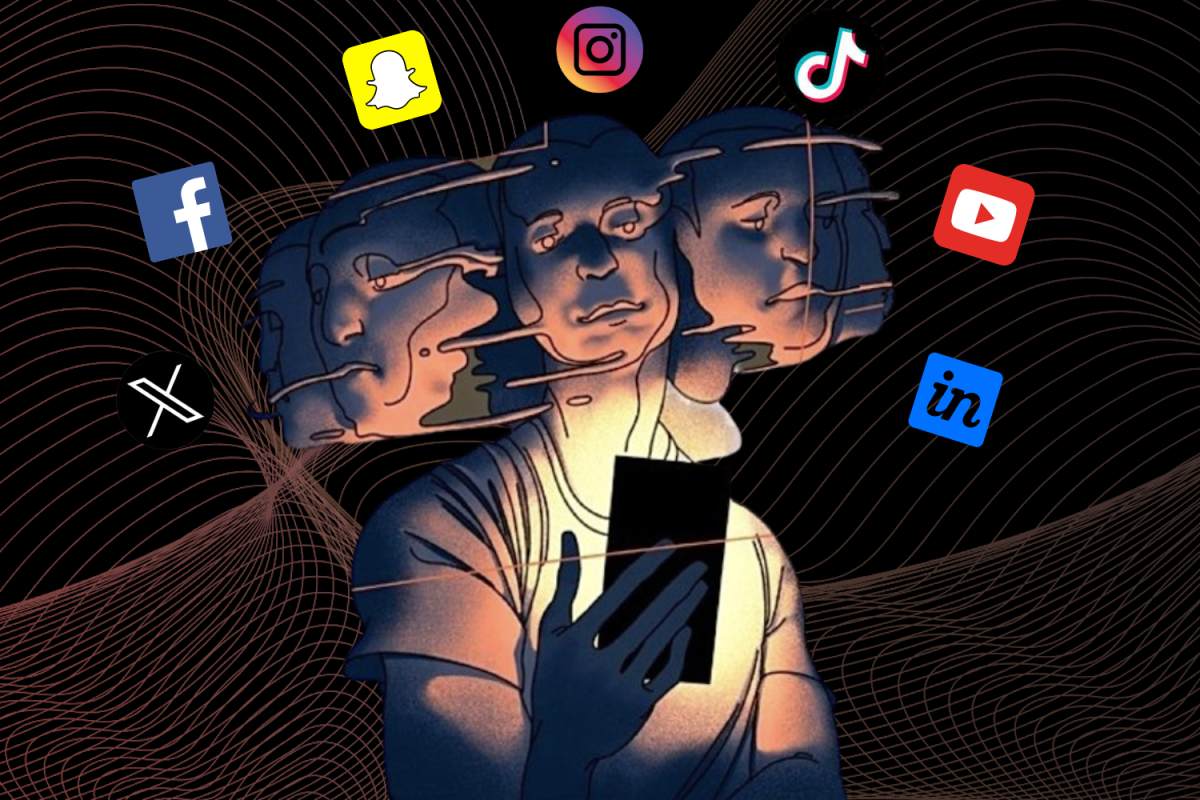
Stuck in the Digital Loop: Recognizing Technology Addiction and Rebuilding Healthy Habits

Many people do not realize how easily digital habits can take over daily life. What starts as quick checks of messages or social media can gradually turn into hours of scrolling, watching, or browsing without intention. This cycle, often called the digital loop, is a growing form of technology addiction that can affect mental health, relationships, sleep, and overall well-being. Recognizing when you are stuck in this loop is the first step toward change. The next step is learning how to rebuild healthier habits that support balance and emotional stability.

Understanding the Digital Loop and Technology Addiction

Technology addiction occurs when device use becomes compulsive and difficult to control. The digital loop is the repetitive cycle of reaching for a device, engaging with content, and losing track of time, often without realizing it.

Why the Digital Loop Is So Powerful

Digital platforms are designed to capture attention through notifications, endless feeds, and personalized content. This constant stimulation makes it easy to stay engaged longer than intended, reinforcing the habit over time.

Common Signs You Are Stuck in the Digital Loop

Some warning signs include:

  • Checking your phone without a clear reason
  • Feeling anxious when your device is not nearby
  • Losing track of time while scrolling or watching content
  • Using screens to avoid stress, boredom, or emotions
  • Struggling to reduce screen time despite wanting to

These behaviors can slowly impact emotional health and daily functioning.

How Technology Addiction Affects Mental Health

When digital habits become compulsive, they can influence both emotional and psychological well-being.

Increased Anxiety and Mental Overload

Constant information flow keeps the brain in a state of alertness. Over time, this can lead to stress, anxiety, and difficulty focusing.

Emotional Disconnection

Excessive screen use can reduce awareness of real emotions and limit meaningful face-to-face interactions. This may lead to feelings of isolation or numbness.

Sleep Disruption and Fatigue

Late-night scrolling or gaming interferes with sleep cycles. Poor sleep affects mood, energy, and the ability to cope with stress.

Reduced Motivation and Focus

The constant pull of digital content can make it harder to complete tasks or stay engaged in real-world responsibilities.

Rebuilding Healthy Digital Habits

Breaking free from the digital loop requires intentional action and consistent practice. Small changes can lead to meaningful improvement over time.

Create Awareness Around Your Usage

Start by noticing when and why you reach for your device. Awareness helps interrupt automatic behavior and brings intention back into your choices.

Set Clear Boundaries With Technology

Establish specific times for screen use and avoid devices during meals or before bedtime. Boundaries help reduce impulsive engagement and restore structure.

Replace Screen Time With Healthy Activities

Engage in offline activities such as exercise, reading, hobbies, or spending time outdoors. These activities help regulate emotions and improve mental clarity.

Practice Mindful Technology Use

Before picking up your phone or opening an app, pause and ask yourself if it is necessary. This simple habit can significantly reduce compulsive use over time.

Strengthen Real World Connections

Prioritize face-to-face interactions with friends, family, or support groups. Real connection plays a critical role in emotional wellness and recovery.

When Professional Support Is Needed

For many individuals, breaking free from technology addiction requires more than self-discipline. Underlying emotional or mental health challenges often contribute to the cycle.

Individualized Mental Health Treatment

Therapists can help identify root causes such as anxiety, depression, or stress that may drive compulsive digital behavior. Treatment focuses on building healthier coping strategies.

Inpatient and Outpatient Care Options

Structured programs provide different levels of support depending on individual needs. Inpatient care offers a focused healing environment, while outpatient care allows flexibility with daily life responsibilities.

Holistic and Faith Based Approaches

Holistic care supports the mind, body, and spirit. Practices such as mindfulness, wellness routines, and spiritual guidance help individuals develop long-term emotional balance and resilience.

How LotusRNext Supports Lasting Recovery

At LotusRNext, recovery is approached with compassion and personalization. Each individual receives care tailored to their unique experiences, challenges, and goals. Through addiction recovery services, mental health treatment, and holistic support, clients are guided toward healthier habits and a more balanced relationship with technology and life.

Conclusion: Breaking the Cycle and Reclaiming Your Life

Being stuck in the digital loop can feel overwhelming, but it is possible to break free. With awareness, structured habits, and the right support, individuals can regain control over their time, attention, and emotional well-being. Recovery is not about rejecting technology, but about using it in a healthier, more intentional way.

If you or someone you love is struggling with technology addiction, reaching out for help is an important first step. LotusRNext offers compassionate, individualized care through addiction recovery services, inpatient and outpatient treatment, and holistic healing approaches. Take that step today toward clarity, balance, and a healthier relationship with the digital world.

Beyond Screen Time: How Technology Dependence Impacts Mental Health and Daily Life

Technology is no longer just a tool we use occasionally. It is woven into nearly every moment of modern life, from work and communication to entertainment and social connection. While screen time itself is not inherently harmful, excessive and compulsive use can gradually shift into technology dependence. This shift can affect mental health, disrupt daily routines, and create emotional strain that many people do not recognize until it becomes overwhelming. Understanding these effects is essential for anyone seeking balance, stability, and healthier digital habits.

What Is Technology Dependence?

Technology dependence refers to a pattern of compulsive or excessive device use that begins to interfere with emotional well-being, responsibilities, and relationships. It is not just about time spent on screens, but about the impact that use has on a person’s overall life.

Common Signs of Technology Dependence

Some of the most common signs include:

  • Feeling anxious or restless without access to devices
  • Constantly checking notifications or refreshing apps
  • Losing track of time while online
  • Using screens to avoid stress, emotions, or discomfort
  • Neglecting responsibilities, sleep, or relationships

These behaviors often develop gradually, which makes them easy to overlook until they begin to interfere with mental health and daily functioning.

How Technology Dependence Impacts Mental Health

Excessive screen use can influence emotional well-being in several important ways.

Increased Anxiety and Emotional Overload

Constant notifications, messages, and online content create a sense of urgency. Over time, this can keep the brain in a heightened state of alert, leading to increased anxiety and stress.

Reduced Emotional Regulation

When technology is used as an escape, it can prevent individuals from processing emotions in healthy ways. This may lead to emotional avoidance and difficulty coping with real-life stressors.

Sleep Disruption and Fatigue

Blue light exposure and late-night scrolling interfere with natural sleep cycles. Poor sleep affects mood, concentration, and overall mental resilience.

Social Withdrawal and Isolation

Although digital platforms offer connection, excessive use can reduce meaningful face-to-face interaction. This can contribute to loneliness and emotional disconnection.

The Impact on Daily Life

Technology dependence does not only affect mental health. It also influences how individuals function in everyday life.

Reduced Productivity and Focus

Frequent digital interruptions make it difficult to concentrate on tasks. This can lead to unfinished responsibilities and increased frustration.

Strained Relationships

When attention is divided between devices and people, relationships may suffer. Loved ones may feel ignored or disconnected.

Loss of Structure and Routine

Excessive screen use can disrupt daily habits such as eating, sleeping, and working. Over time, this lack of structure can increase stress and decrease stability.

Practical Steps to Restore Balance

While technology dependence can feel overwhelming, recovery is possible with consistent effort and support.

Set Clear Boundaries With Technology

Create specific times for device use and stick to them. Establishing phone free zones, such as bedrooms or dining areas, helps reduce compulsive use.

Practice Mindful Usage

Before picking up a device, pause and ask whether it is necessary. This simple habit helps reduce automatic scrolling and increases awareness.

Rebuild Offline Habits

Engage in activities that do not involve screens, such as exercise, hobbies, reading, or spending time outdoors. These activities help restore balance and improve emotional well-being.

Strengthen Real World Connections

Prioritize face-to-face interactions with friends, family, or support groups. Human connection plays a vital role in mental health and recovery.

The Role of Professional Support in Recovery

For many individuals, technology dependence is connected to deeper emotional or psychological challenges. Professional care can provide structure, understanding, and long-term solutions.

Individualized Mental Health Treatment

Therapists help identify underlying issues such as anxiety, depression, or trauma that may contribute to compulsive technology use. Treatment focuses on building healthier coping strategies.

Inpatient and Outpatient Care Options

Structured programs offer different levels of support based on individual needs. Inpatient care provides immersive treatment, while outpatient care allows individuals to maintain daily responsibilities while receiving support.

Holistic and Faith Based Healing

Holistic care focuses on the mind, body, and spirit. Practices such as mindfulness, physical wellness, and spiritual support help individuals build emotional resilience and long-term balance.

How LotusRNext Supports Recovery and Mental Wellness

At LotusRNext, care is centered on compassion and individualized treatment. Each person receives support tailored to their unique experiences and challenges. Through addiction recovery services, mental health treatment, and holistic approaches, clients are guided toward healthier habits, improved emotional stability, and lasting recovery.

Conclusion: Moving Beyond the Screen and Toward Balance

Technology dependence can quietly affect mental health, relationships, and daily life. However, with awareness, structure, and the right support, it is possible to regain control and create a healthier relationship with technology. Small changes, when practiced consistently, can lead to meaningful improvements in emotional well-being and overall quality of life.

If you or someone you love is struggling with technology dependence, reaching out for help is an important first step. LotusRNext offers compassionate, individualized care through addiction recovery services, inpatient and outpatient treatment, and holistic healing approaches. Take that step today toward balance, clarity, and a more present life beyond the screen.

When Technology Takes Over: Understanding the Hidden Signs of Tech Addiction and What Recovery Looks Like

Technology is woven into nearly every part of daily life. From work communication to social connection and entertainment, digital devices have become essential tools. However, when use becomes compulsive and difficult to control, technology can begin to take over more than it supports. Tech addiction is a growing concern that can quietly affect mental health, relationships, sleep, and emotional stability. Understanding the hidden signs of technology dependence and what recovery looks like is the first step toward regaining balance and control.

What Is Tech Addiction?

Tech addiction, also known as technology dependence, occurs when a person feels unable to regulate their use of digital devices. This can include smartphones, social media, gaming, streaming, or constant online browsing. Over time, these behaviors may interfere with daily responsibilities and emotional well-being.

Why It Often Goes Unnoticed

Unlike substance addiction, technology addiction is often socially accepted and even encouraged in modern life. Because of this, many people do not recognize when their habits become harmful. What starts as convenience can slowly shift into compulsion.

Hidden Signs of Technology Dependence

Tech addiction does not always appear obvious at first. Instead, it often develops through subtle behavioral and emotional changes.

Emotional and Behavioral Signs

Some of the most common hidden signs include:

  • Feeling restless or anxious when not using a device
  • Checking your phone or apps without realizing it
  • Using technology to avoid stress, loneliness, or emotional discomfort
  • Losing track of time while online
  • Feeling irritated when interrupted during screen use

These behaviors may seem minor individually, but together they can signal a deeper pattern of dependence.

Physical and Lifestyle Signs

Technology addiction can also affect daily functioning, such as:

  • Poor sleep due to late-night screen use
  • Decreased productivity or focus
  • Neglecting personal responsibilities or relationships
  • Physical fatigue or eye strain from prolonged device use

How Tech Addiction Impacts Mental Health

When technology use becomes excessive, it can significantly affect emotional well-being.

Increased Anxiety and Stress

Constant notifications and online engagement keep the brain in a state of alertness. Over time, this can lead to anxiety, stress, and difficulty relaxing.

Emotional Disconnection

Although technology connects people digitally, overuse can reduce real-world interaction. This can contribute to loneliness and emotional isolation.

Reduced Focus and Motivation

Frequent digital interruptions make it difficult to concentrate on tasks or maintain routines, leading to frustration and decreased motivation.

Sleep Disruption

Excessive screen time, especially before bed, interferes with sleep quality. Poor sleep affects mood, memory, and overall mental health.

What Recovery From Tech Addiction Looks Like

Recovery from technology dependence is not about eliminating technology. Instead, it is about developing a healthier, more intentional relationship with it.

Building Awareness and Accountability

Recovery begins with recognizing patterns of overuse. Therapy and support can help individuals understand triggers and develop healthier responses.

Establishing Healthy Boundaries

Setting limits around screen time, creating device free spaces, and scheduling offline activities are essential steps in restoring balance.

Replacing Digital Habits With Healthy Activities

Engaging in physical activity, hobbies, social interaction, and mindfulness practices helps reduce reliance on screens and improves emotional well-being.

Professional Support and Treatment

For many individuals, structured support is necessary. Addiction recovery services and mental health treatment provide tools, guidance, and accountability needed for lasting change. Both inpatient and outpatient care options allow individuals to receive support based on their level of need.

Holistic and Individualized Care at LotusRNext

At LotusRNext, recovery is approached with compassion and personalization. Every individual’s experience with technology dependence is unique, which is why treatment is tailored to specific emotional, psychological, and lifestyle needs.

Comprehensive Mental Health Treatment

Therapeutic approaches help individuals address underlying issues such as anxiety, depression, or trauma that may contribute to compulsive technology use.

Inpatient and Outpatient Programs

Structured treatment options provide flexibility and support. Inpatient care offers immersive healing, while outpatient programs allow individuals to continue daily responsibilities while receiving care.

Holistic and Faith Based Healing

Holistic care supports the whole person, including emotional, physical, and spiritual well-being. Faith based approaches can also provide meaning, strength, and encouragement throughout the recovery process.

Conclusion: Reclaiming Control in a Digital World

Technology addiction can quietly take hold, but it does not have to define your life. By recognizing the hidden signs, understanding its impact on mental health, and seeking support, recovery becomes possible. With the right guidance and tools, individuals can rebuild balance, strengthen relationships, and regain control over their daily lives.

If you or someone you love is struggling with technology dependence, reaching out for help is a powerful first step. LotusRNext offers compassionate, individualized care through addiction recovery services, mental health treatment, and holistic healing approaches. Take the next step today toward clarity, balance, and lasting recovery.