In the age of constant connectivity, our devices have become more than just tools — they’ve become extensions of ourselves. Smartphones, social media, and endless apps promise to make life easier, faster, and more entertaining. And while digital advancements have undoubtedly revolutionized how we live and work, they have also created a culture of dependency that many of us don’t even recognize — until it begins to take a toll.
The truth is, we’re increasingly wired for dependency. From the moment we wake up to the moment we sleep, screens dominate our attention. Notifications pull us back into the digital world, algorithms anticipate our every desire, and the fear of missing out keeps us checking in, scrolling, and engaging long after it’s healthy. Over time, this constant connection creates invisible chains — not physical, but psychological and emotional — that are difficult to break.
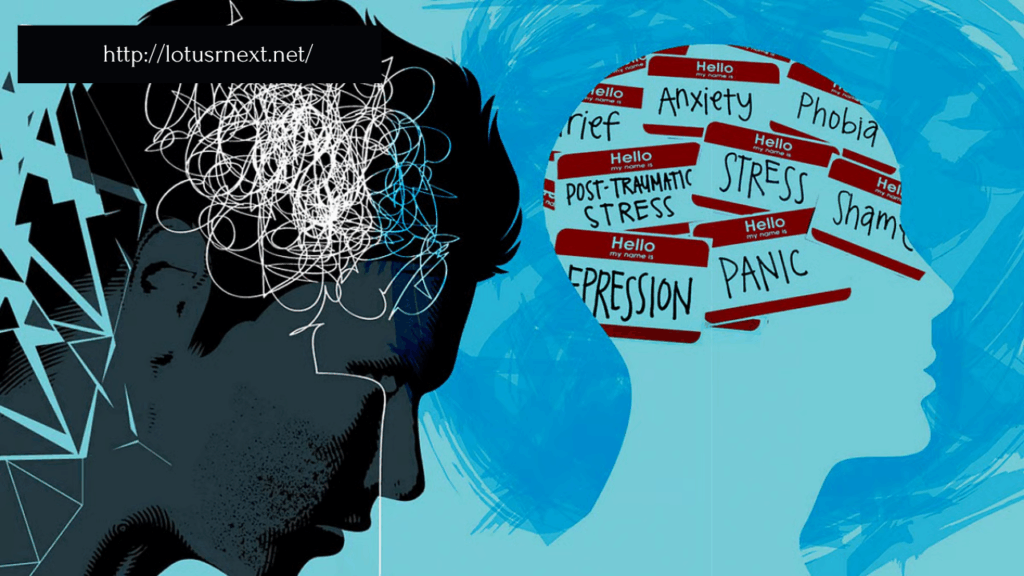
One of the most concerning effects of this dependency is its impact on mental health. Studies have shown a strong correlation between excessive screen time and rising levels of anxiety, depression, and loneliness. Social media platforms, in particular, can distort reality and lead users into unhealthy comparisons, constantly measuring their worth against curated highlight reels of others. Instead of feeling more connected, many users end up feeling inadequate and isolated.
Even our attention spans have suffered. The fast-paced nature of online content — from bite-sized videos to rapid-fire news feeds — has conditioned our brains to crave novelty and instant gratification. As a result, focusing on long-form content, deep conversations, or uninterrupted tasks becomes more difficult. The very tools designed to help us manage time are, ironically, among the greatest thieves of our time.
Then there’s the effect on our real-world relationships. Digital dependency often replaces quality interaction with surface-level exchanges. Text messages and likes take the place of eye contact and meaningful dialogue. Families sit at the same dinner table, each person glued to their own device. Friends gather but remain disconnected. The screen mediates our connections, even when someone is sitting right in front of us.
To recognize the true cost of online life, we must start by acknowledging that dependency on technology isn’t a personal failure — it’s a societal shift fueled by platforms built to exploit human attention. The solution isn’t to reject technology outright, but to reclaim control over how we use it.
This means setting boundaries: scheduling screen-free time, especially during meals and before bed; turning off non-essential notifications; and being intentional about digital consumption. It also means reconnecting with offline joys — reading a book, having face-to-face conversations, spending time in nature — to remind ourselves that fulfillment doesn’t come from a screen.
We can still enjoy the benefits of digital life without falling victim to its costs. By recognizing the subtle, creeping nature of our dependency, we take the first step toward a more balanced and conscious relationship with technology — one where we control our devices, instead of letting them control us.