The Comfort Trap: How Digital Shortcuts Are Making Us Weaker

In today’s hyper-connected world, technology has made life more convenient than ever. With a few taps on a smartphone, we can order meals, find directions, book appointments, or have goods delivered to our doorstep in hours. These digital shortcuts are marketed as time-savers and stress-reducers—and in many ways, they are. But there’s a growing downside to this ease of access: the more we rely on technology to eliminate effort, the more we risk weakening essential life skills, patience, and emotional resilience.

This phenomenon is called the comfort trap. It occurs when the pursuit of convenience becomes so habitual that we lose the capacity to handle challenges without technological assistance. We default to apps and services to solve even the simplest of problems. While this may seem harmless, the long-term effects are concerning. Over time, our dependency on digital shortcuts erodes our ability to think critically, solve problems independently, and tolerate discomfort.

Take navigation, for example. GPS has made getting from point A to point B incredibly simple, but it has also dulled our natural sense of direction. Instead of learning how to read maps or memorize routes, many people blindly follow instructions, losing touch with spatial awareness. The same goes for communication. Quick texts and emojis have replaced meaningful conversations. We’ve become so accustomed to instant replies that we avoid difficult discussions in real life, fearing the emotional effort they require.

The comfort trap also affects our mental endurance. In the past, boredom was a natural part of life, often leading to creative breakthroughs or reflection. Now, whenever there’s a spare moment—standing in line, waiting for a friend—we instinctively reach for our phones. Social media, games, and endless scrolling fill the void, leaving little room for introspection or personal growth. As a result, our tolerance for stillness and patience diminishes.

Furthermore, the trap of convenience encourages passivity. When solutions are always one click away, we become less inclined to seek out new skills or face challenging tasks. Cooking from scratch, learning a new craft, or navigating social interactions without a screen all require effort—effort many of us are increasingly unwilling to exert. This comfort-driven lifestyle can lead to emotional fragility, lower resilience, and a diminished sense of personal achievement.

Breaking free from the comfort trap doesn’t mean abandoning technology, but it does require intentional living. It starts by asking, “Am I choosing the easiest route because it’s the best option, or simply because it’s the most convenient?” Small changes, like cooking at home instead of ordering delivery, having face-to-face conversations instead of texting, or going for a walk without GPS, can help rebuild lost skills and reconnect us with real-world experiences.

Ultimately, growth happens outside of comfort. By challenging ourselves to occasionally resist digital shortcuts, we strengthen our minds, build resilience, and reclaim the joy of doing things the hard way—not because we have to, but because it makes us stronger.

Wired for Dependency: Recognizing the True Cost of Online Life

In the age of constant connectivity, our devices have become more than just tools — they’ve become extensions of ourselves. Smartphones, social media, and endless apps promise to make life easier, faster, and more entertaining. And while digital advancements have undoubtedly revolutionized how we live and work, they have also created a culture of dependency that many of us don’t even recognize — until it begins to take a toll.

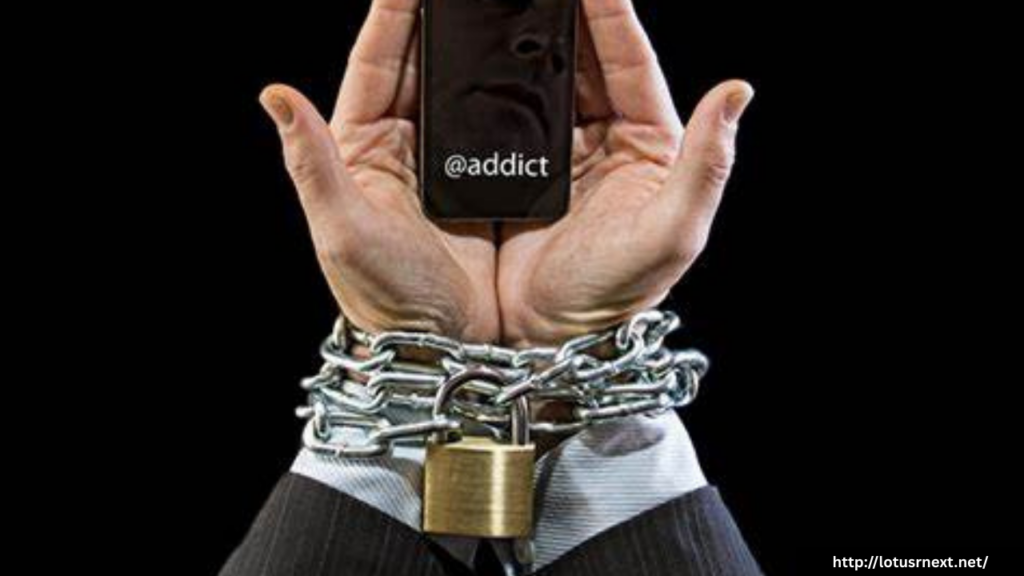
The truth is, we’re increasingly wired for dependency. From the moment we wake up to the moment we sleep, screens dominate our attention. Notifications pull us back into the digital world, algorithms anticipate our every desire, and the fear of missing out keeps us checking in, scrolling, and engaging long after it’s healthy. Over time, this constant connection creates invisible chains — not physical, but psychological and emotional — that are difficult to break.

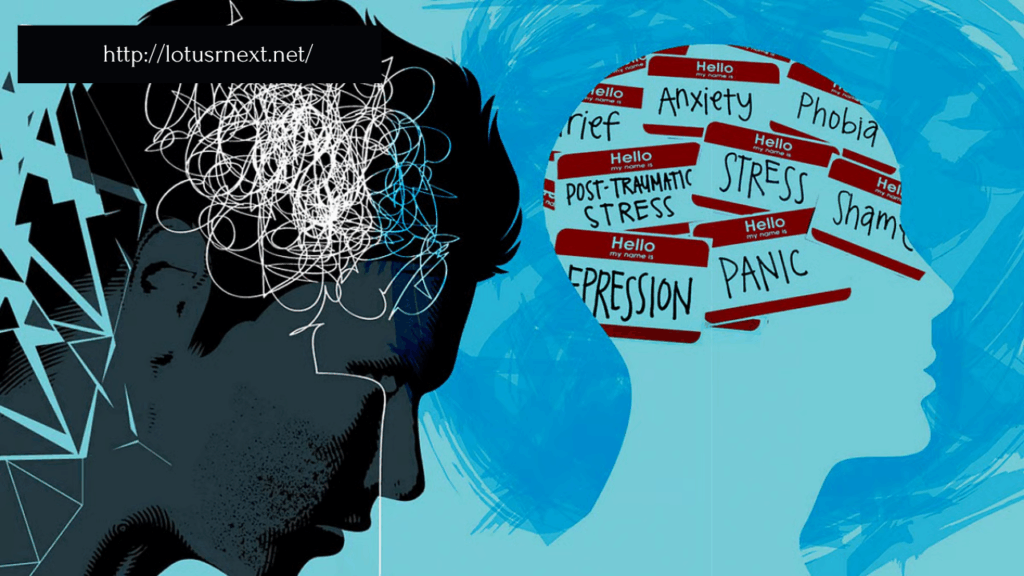
One of the most concerning effects of this dependency is its impact on mental health. Studies have shown a strong correlation between excessive screen time and rising levels of anxiety, depression, and loneliness. Social media platforms, in particular, can distort reality and lead users into unhealthy comparisons, constantly measuring their worth against curated highlight reels of others. Instead of feeling more connected, many users end up feeling inadequate and isolated.

Even our attention spans have suffered. The fast-paced nature of online content — from bite-sized videos to rapid-fire news feeds — has conditioned our brains to crave novelty and instant gratification. As a result, focusing on long-form content, deep conversations, or uninterrupted tasks becomes more difficult. The very tools designed to help us manage time are, ironically, among the greatest thieves of our time.

Then there’s the effect on our real-world relationships. Digital dependency often replaces quality interaction with surface-level exchanges. Text messages and likes take the place of eye contact and meaningful dialogue. Families sit at the same dinner table, each person glued to their own device. Friends gather but remain disconnected. The screen mediates our connections, even when someone is sitting right in front of us.

To recognize the true cost of online life, we must start by acknowledging that dependency on technology isn’t a personal failure — it’s a societal shift fueled by platforms built to exploit human attention. The solution isn’t to reject technology outright, but to reclaim control over how we use it.

This means setting boundaries: scheduling screen-free time, especially during meals and before bed; turning off non-essential notifications; and being intentional about digital consumption. It also means reconnecting with offline joys — reading a book, having face-to-face conversations, spending time in nature — to remind ourselves that fulfillment doesn’t come from a screen.

We can still enjoy the benefits of digital life without falling victim to its costs. By recognizing the subtle, creeping nature of our dependency, we take the first step toward a more balanced and conscious relationship with technology — one where we control our devices, instead of letting them control us.

The High Cost of Low Effort: How Digital Addiction Steals Our Focus

We live in an age of convenience. With a swipe, a tap, or a voice command, we can access almost anything — food, entertainment, answers, or even human connection. These advances promise to make life easier, and they often do. But there’s a hidden cost to all this low-effort living: our attention.

Digital addiction is not just about the hours we spend online. It’s about the quality of how we spend our time — and, more importantly, how much of our ability to focus is being quietly eroded in the background. As we embrace technologies that minimize effort, we are also training our minds to expect instant results, constant stimulation, and minimal challenge. The result? A growing inability to concentrate, complete tasks deeply, or engage meaningfully with the world around us.

Much of this begins with how digital platforms are designed. Every app, notification, and algorithm is crafted to grab our attention — and keep it. Social media rewards us with instant feedback, streaming services autoplay the next episode, and search engines deliver answers in milliseconds. This creates a mental environment where everything feels urgent and immediate, conditioning our brains to crave constant novelty and avoid sustained effort.

Unfortunately, focus requires the opposite. Deep concentration thrives in stillness, patience, and discomfort — the very states that digital technology teaches us to escape. The more we default to our phones in moments of boredom or restlessness, the less we exercise the mental “muscles” needed for focus, reflection, and resilience.

This shift has serious implications, especially for learning and productivity. Reading a long article, writing thoughtfully, or solving a complex problem demands uninterrupted attention. But with digital distractions always a few clicks away, many of us struggle to stay with a single task for more than a few minutes. We find ourselves constantly switching between tabs, checking notifications, or reaching for our phones — not because we want to, but because we’ve become wired to.

The damage doesn’t stop at work or school. Relationships suffer when we can’t be fully present. Our emotional well-being declines when our brains are constantly overstimulated and scattered. We feel more anxious, impatient, and overwhelmed — symptoms that are often treated as personal failures, rather than signs of a distracted, hyperconnected environment.

The good news? Focus can be rebuilt — but it takes conscious effort. Start by reclaiming your attention in small ways. Turn off non-essential notifications. Set aside blocks of time for deep work without interruptions. Use tools like the Pomodoro Technique or app blockers to train your mind to concentrate again. And most importantly, embrace boredom. Allow yourself moments without stimulation, so your brain can recover its capacity to think deeply and creatively.

We must recognize that while digital tools offer ease, they often rob us of something far more valuable: the ability to focus, think, and live with intention. The high cost of low effort is a scattered mind — but with awareness and discipline, we can take our attention back.

From Lifeline to Lifesentence: Breaking Free from Digital Chains

When the internet first entered our homes and pockets, it felt like a lifeline — a gateway to information, communication, and freedom. Smartphones connected us instantly to loved ones, digital apps streamlined our lives, and social platforms brought the world to our fingertips. But over time, what once felt liberating has become a source of quiet captivity. Many now find themselves trapped by the very tools meant to empower them, caught in a cycle of compulsive scrolling, constant notifications, and screen-induced anxiety.

We are living in a paradox. Technology has the power to enhance our lives, yet it increasingly shapes our habits, emotions, and even identities in ways we don’t fully control. A quick glance at the phone often turns into a 30-minute rabbit hole. Checking one message leads to ten tabs open. Work hours bleed into personal time. Sleep is sacrificed for “just one more” video. The digital world doesn’t rest — and neither do we.

This shift from lifeline to life sentence isn’t accidental. Many digital platforms are intentionally designed to keep users engaged for as long as possible. Infinite scroll, push notifications, and algorithm-driven feeds are not neutral tools — they are persuasive technologies crafted to exploit our attention. In this digital prison, we are both the prisoners and the guards, complicit in our own overuse and aware of its cost, yet often unable to stop.

The consequences are real and growing. Mental health issues such as anxiety, depression, and digital burnout are on the rise. People report feeling isolated despite being constantly connected. Productivity suffers due to endless digital distractions. Even physical health is affected, as screen time displaces exercise, rest, and real-world interaction. Most troubling of all is how this digital dependence chips away at our autonomy. When our choices, moods, and behaviors are subtly shaped by algorithms, how much of our life is truly ours?

But there is a way out. Breaking free from digital chains begins with awareness and intention. We must first recognize how deeply technology has entangled itself into our daily routines — and acknowledge that reclaiming our freedom will take effort, not just settings and apps.

Start by creating tech-free spaces and times. Protect your mornings or evenings from screens. Turn off non-essential notifications. Replace passive scrolling with intentional digital use — whether that’s reading, learning, or creating. Consider digital detox periods, even if only for a few hours a week, to reset your relationship with technology.

Most importantly, reconnect with the offline world. Invest in face-to-face relationships, immerse yourself in nature, engage in hobbies that bring joy and presence. These are the antidotes to digital dependency — real experiences that ground us and restore our sense of control.

Technology should support our lives, not dominate them. From lifeline to life sentence doesn’t have to be the story we accept. With conscious effort and boundary-setting, we can reclaim our time, focus, and well-being — and rediscover the freedom we once believed technology would bring.

Addicted to Ease: Why Digital Tools Are Undermining Our Lives

In the digital age, convenience is king. We can summon a ride with a tap, have food delivered in minutes, and automate everything from bill payments to grocery lists. Our lives have been streamlined in unprecedented ways — yet despite all the ease, many people are feeling more overwhelmed, distracted, and emotionally drained than ever before.

The paradox lies in the very nature of digital convenience. While technology was designed to simplify tasks and free up our time, it has simultaneously created new dependencies that are slowly eroding essential human capabilities. Instead of enhancing our lives, digital tools are increasingly shaping — and sometimes controlling — them.

At the heart of this issue is our growing intolerance for effort. With every shortcut offered by an app or algorithm, we become less inclined to engage in processes that require patience, critical thinking, or emotional resilience. Need directions? GPS will do the thinking. Want a conversation? Just text. Bored or uncomfortable? There’s an endless feed to scroll through. These seemingly minor decisions, repeated thousands of times, change how our brains operate. Over time, our ability to sit with discomfort, solve problems creatively, or pursue delayed gratification weakens.

Digital tools also cater to instant gratification, a key driver of compulsive behavior. Social media, for example, offers quick hits of validation through likes and comments, creating a feedback loop that reinforces constant checking and posting. The same goes for shopping apps, streaming platforms, and even dating services — all structured to deliver fast results with minimal effort. This “ease addiction” not only feeds anxiety and impatience but also diminishes our capacity for deep, meaningful engagement with people and the world around us.

The workplace reflects this shift too. While digital platforms have enabled remote work and boosted productivity in many ways, they’ve also introduced a culture of 24/7 availability. Notifications, emails, and pings interrupt focus and blur the boundaries between work and rest. The ease of being reachable at all times often translates into burnout, stress, and a feeling of never truly being off the clock.

Even our relationships have taken a hit. Messaging replaces face-to-face conversations. Emojis stand in for emotional expression. While it’s easier than ever to stay in touch, the quality of those connections has often declined. Many people find themselves in the paradox of constant contact, yet growing loneliness.

To regain control, we need to consciously resist the lure of effortless living. This means setting boundaries with our devices, practicing digital minimalism, and intentionally choosing effort when it’s meaningful. Whether it’s cooking from scratch, writing a handwritten note, or having an unfiltered conversation, embracing friction can reawaken skills and values that digital tools have dulled.

Technology itself isn’t the enemy — it’s our passive relationship to it. When ease becomes our default mode of living, we risk losing the very strengths that make us human: resilience, depth, connection, and presence. Recognizing this addiction to ease is the first step toward reclaiming a more grounded, intentional, and fulfilling life.

Screened In: How Digital Convenience Became Our Greatest Crutch

In the past two decades, digital technology has transformed our world with breathtaking speed. Smartphones, tablets, and constant internet access promised to make life more convenient, efficient, and connected. In many ways, they delivered. Tasks that once required hours or days — from booking travel to banking to staying in touch with loved ones — are now accomplished in seconds. But beneath the glittering promise of convenience, a darker reality has emerged: our increasing dependence on digital tools has become a crutch, subtly undermining our mental health, relationships, and ability to engage with the real world.

The design of today’s digital platforms plays a major role in this dependency. Social media apps, streaming services, and even basic productivity tools are built around algorithms designed to capture and hold our attention for as long as possible. Every notification, every “like,” and every endless scroll is a carefully crafted nudge, keeping users engaged. What began as tools for greater productivity and connectivity have quietly morphed into extensions of ourselves — sources of validation, distraction, and sometimes even identity.

This dependency has serious consequences. Studies have linked excessive screen time to rising rates of anxiety, depression, and loneliness. Despite being more “connected” than ever, many people report feeling isolated. Instead of deepening our human relationships, constant digital engagement often fragments our attention and weakens the quality of our interactions. We find ourselves reaching for our phones in moments of boredom, discomfort, or sadness, not to solve real problems, but to avoid facing them altogether.

Moreover, digital convenience has chipped away at our ability to tolerate inconvenience, boredom, or delayed gratification — skills that are critical for resilience and personal growth. Why struggle through a difficult conversation when you can send a text? Why wrestle with a complex task when you can Google a shortcut? Over time, we risk losing the mental muscle that allows us to face challenges head-on without reaching for a digital escape hatch.

The workplace has not been immune either. The expectation of constant availability, fueled by email and messaging apps, has blurred the boundaries between work and personal life. Convenience, once seen as liberating, now feels imprisoning. Instead of freeing up time for leisure and creativity, technology often demands more of our attention, more of our energy, and more of our emotional bandwidth.

The way forward is not to reject technology altogether — that would be both impractical and counterproductive. Rather, it requires a conscious recalibration of our relationship with digital tools. Setting firm boundaries, embracing periods of digital detox, and re-learning to embrace moments of stillness and inconvenience can help us reclaim our autonomy. We must remember that technology is meant to serve us, not enslave us.

Ultimately, recognizing the crutch for what it is — a dependency formed out of convenience — is the first step toward a healthier, more intentional digital life. Being “screened in” doesn’t have to be our fate. With awareness and effort, we can build a future where technology supports our well-being instead of subtly sabotaging it.

The Dopamine Loop: How Smartphones Keep Us Hooked

In the palm of our hands lies a device so powerful that it shapes our habits, influences our moods, and alters the way we engage with the world. Smartphones have revolutionized modern life, offering unparalleled convenience and connectivity. Yet, behind their sleek designs and intuitive interfaces is a complex psychological mechanism that keeps us coming back for more—the dopamine loop.

Understanding the Dopamine Effect

Dopamine is a neurotransmitter in the brain associated with pleasure, reward, and motivation. It plays a crucial role in reinforcing behaviors that are essential for survival, such as eating or social interaction. However, the same system can be hijacked by modern technologies, especially smartphones.

Every notification, like, or message received triggers a small release of dopamine, giving the brain a sense of reward. Over time, we become conditioned to seek out these digital rewards, much like a lab rat pressing a lever for a treat. This cycle—anticipation, reward, and craving—forms the foundation of the dopamine loop, making it difficult to put our phones down even when we intend to.

The Architecture of Addiction

Smartphones and the apps we use on them are deliberately designed to exploit the dopamine system. Social media platforms, in particular, use algorithms to keep users engaged by presenting content that is novel, emotionally engaging, or affirming. Features like infinite scrolling, autoplay videos, and push notifications are not just conveniences—they’re engineered reinforcements meant to keep our attention.

This constant engagement trains our brains to expect frequent stimulation. As a result, boredom becomes intolerable, and the impulse to check our phones becomes almost automatic. Studies have shown that the average person checks their smartphone over 100 times a day, often without conscious intention.

Consequences of the Dopamine Loop

While the dopamine loop may provide short-term gratification, it comes at a cost. Prolonged exposure to this cycle can lead to diminished attention spans, reduced ability to focus, and increased anxiety. Our brains become wired for instant gratification, making it harder to engage in tasks that require patience or sustained effort.

Moreover, the reliance on digital validation—through likes, shares, and comments—can negatively impact self-esteem and emotional well-being. It creates a feedback loop where self-worth becomes tied to online approval, leaving users vulnerable to feelings of inadequacy when engagement is low.

Breaking the Cycle

Escaping the dopamine loop requires conscious effort and behavioral changes. One effective strategy is to limit notifications and designate specific times to check your phone. Turning off unnecessary alerts reduces the frequency of dopamine triggers and helps you regain control over your attention.

Another approach is to practice digital mindfulness—being aware of your screen habits and setting clear boundaries. Engaging in offline activities such as exercise, hobbies, or in-person conversations can help rewire the brain for more fulfilling and sustainable sources of pleasure.

Reclaiming Your Focus

Understanding how the dopamine loop works is the first step toward reclaiming your attention and mental well-being. Smartphones are powerful tools, but without mindful use, they can become sources of distraction and dependency. By breaking free from the cycle, you can restore balance in your digital life and reestablish control over your time and focus.

Tech Dependence vs. Tech Empowerment: Finding the Balance

Technology has become an integral part of modern life, shaping the way we communicate, work, and interact with the world. While digital advancements have empowered individuals and businesses with unprecedented convenience and efficiency, they have also led to growing dependence on devices and applications. Striking a balance between tech dependence and tech empowerment is crucial to ensuring that technology remains a tool for progress rather than a source of control over our lives.

The Dual Nature of Technology

Technology, in its essence, is neither inherently good nor bad—it depends on how it is used. On one hand, digital tools have enhanced productivity, connected people globally, and provided access to knowledge like never before. On the other hand, excessive reliance on technology has given rise to issues such as decreased attention spans, mental health challenges, and reduced real-world interactions.

Understanding this dual nature is key to navigating the digital world effectively. When technology is used as a means to enhance skills, improve efficiency, or foster meaningful connections, it becomes empowering. However, when it leads to mindless scrolling, digital addiction, or avoidance of real-life experiences, it shifts toward dependence.

Signs of Tech Dependence

Recognizing the signs of technology dependence is the first step in addressing it. Some common indicators include:

  • Feeling anxious or restless without access to devices
  • Constantly checking notifications, emails, or social media
  • Struggling to focus on offline activities without distraction
  • Experiencing sleep disturbances due to excessive screen time
  • Prioritizing virtual interactions over face-to-face conversations

Excessive tech use can negatively impact mental and physical health, straining relationships and reducing overall well-being. The challenge lies in adopting habits that mitigate dependence while retaining the benefits of digital tools.

Embracing Tech Empowerment

Technology should serve as an enabler rather than a crutch. To achieve tech empowerment, individuals must develop mindful usage habits that maximize benefits while minimizing harm. Some strategies to achieve this balance include:

  • Setting Boundaries: Establish designated screen-free times, especially during meals and before bed.
  • Mindful Consumption: Use technology with intention—limit mindless scrolling and focus on valuable content.
  • Leveraging Productivity Tools: Use apps that enhance learning, organization, and creativity rather than those designed for passive engagement.
  • Prioritizing Real-World Connections: Make an effort to engage in face-to-face interactions and outdoor activities.
  • Practicing Digital Detoxes: Periodic breaks from technology help reset habits and improve mental clarity.

The Future of Balanced Tech Use

As technology continues to evolve, it is essential to cultivate a mindset that embraces its advantages while avoiding over-reliance. By practicing mindful usage, individuals can harness the full potential of technology without falling into the trap of dependence.

In the end, technology should be a tool that enhances life, not one that dictates it. Striking a balance between dependence and empowerment ensures that we remain in control of our digital habits, leading to a healthier and more fulfilling relationship with technology.

The Age of Overconnectivity: Are We Losing Ourselves to Technology?

In an era where technology has bridged gaps and connected people across the globe, we find ourselves in a paradoxical situation—despite being more connected than ever, we often feel more disconnected from ourselves and the world around us. The age of overconnectivity has led to an overwhelming dependence on digital communication, social media, and smart devices. While these tools offer unprecedented convenience and opportunities, they also raise concerns about mental health, social relationships, and self-identity.

The Rise of Overconnectivity

Technology has evolved rapidly, making instant communication the norm. From social media platforms to messaging apps, people can engage in real-time conversations regardless of distance. However, this hyper-connectivity comes with a cost. The pressure to always be online and responsive has blurred the boundaries between personal and professional life. Many people find themselves answering work emails late at night or feeling anxious about keeping up with social media notifications. This constant engagement can lead to stress, burnout, and a lack of personal space.

The Impact on Mental Health

One of the most significant consequences of overconnectivity is its impact on mental health. Studies have shown that excessive screen time and social media use can contribute to anxiety, depression, and loneliness. The curated nature of online content often leads individuals to compare themselves to unrealistic standards, fostering feelings of inadequacy. Additionally, the constant need for validation through likes and comments can create a dependency on external approval rather than self-worth.

The influx of information and digital noise also affects our ability to focus. The habit of switching between multiple apps, emails, and social media feeds has led to shorter attention spans and reduced deep thinking. This cognitive overload makes it challenging to engage in meaningful activities that require sustained attention, such as reading, learning, or personal reflection.

Social Consequences: Quality vs. Quantity

While technology allows us to communicate with countless people, the quality of these interactions often suffers. Digital conversations lack the nuances of face-to-face communication, such as body language and tone of voice, leading to misunderstandings and a decline in genuine connections.

Moreover, many individuals prioritize virtual interactions over real-life relationships. It is common to see people engrossed in their phones during social gatherings, missing out on authentic moments. The rise of overconnectivity has, in many ways, weakened the depth of our relationships, replacing meaningful conversations with brief, surface-level interactions.

Reclaiming Control in the Digital Age

To regain a sense of self in this hyper-connected world, it is crucial to establish boundaries with technology. Setting screen-time limits, scheduling tech-free periods, and engaging in offline activities can help restore balance. Prioritizing in-person interactions and practicing mindfulness can also improve mental well-being and foster genuine connections.

The age of overconnectivity does not have to mean losing ourselves to technology. By being intentional about how we use digital tools, we can enjoy the benefits of connectivity while preserving our mental health, relationships, and sense of self. Striking this balance is key to navigating the digital age without compromising our well-being.

From Convenience to Crutch: The Hidden Costs of Digital Addiction

In an age where technology has made life incredibly convenient, digital devices have become an integral part of our daily routines. From smartphones to smart home assistants, we rely on these tools for everything from communication to navigation. However, what started as a means to simplify life has increasingly turned into a dependency, leading to what experts call digital addiction. While technology offers numerous benefits, the overuse of digital devices comes with hidden costs that affect our mental, social, and physical well-being.

The Psychological Toll of Digital Addiction

One of the most significant impacts of digital addiction is its effect on mental health. Studies have shown that excessive screen time can lead to increased anxiety, stress, and depression. The constant barrage of notifications, emails, and social media updates creates a sense of urgency that can be overwhelming. Additionally, the pressure to maintain an idealized online presence can contribute to low self-esteem and social anxiety, particularly among younger generations who are more susceptible to social comparison.

Furthermore, the addictive design of apps and platforms plays a role in reinforcing compulsive behaviors. Features like infinite scrolling, autoplay, and personalized recommendations are strategically designed to keep users engaged for as long as possible. As a result, individuals may find themselves spending hours on social media or streaming services without realizing the time lost, leading to feelings of guilt and decreased productivity.

Social Consequences of Over-Reliance on Technology

Digital addiction does not only affect individual well-being but also impacts social relationships. While technology has enabled global connectivity, it has paradoxically led to a decline in face-to-face interactions. People are increasingly choosing virtual interactions over in-person conversations, leading to weaker social bonds and diminished communication skills.

Families, too, have experienced shifts in dynamics due to digital dependency. It is common to see family members absorbed in their screens rather than engaging with one another. This lack of quality time can strain relationships, reducing emotional intimacy and fostering a sense of isolation within households.

Physical Health Risks of Excessive Screen Time

Beyond mental and social consequences, digital addiction has tangible effects on physical health. Prolonged screen exposure is linked to eye strain, headaches, and disrupted sleep patterns due to blue light emissions. Many individuals struggle with insomnia because of late-night screen usage, which interferes with the body’s natural sleep cycle. Poor sleep quality, in turn, contributes to fatigue, reduced concentration, and an overall decline in health.

Additionally, excessive digital consumption often leads to a sedentary lifestyle. Many individuals spend hours sitting while scrolling through their devices, leading to problems such as obesity, poor posture, and increased risk of cardiovascular diseases. The lack of physical activity further exacerbates health concerns, making it essential to find a balance between digital engagement and movement.

Finding a Healthy Balance

While technology is a valuable tool, it is crucial to use it mindfully. Setting screen-time limits, practicing digital detoxes, and prioritizing face-to-face interactions can help mitigate the negative effects of digital addiction. Engaging in offline activities such as exercise, reading, or hobbies can also promote a healthier relationship with technology.

Recognizing the hidden costs of digital addiction is the first step toward reclaiming control over our digital habits. By striking a balance, we can enjoy the benefits of technology without compromising our well-being.